


Inhalation therapy
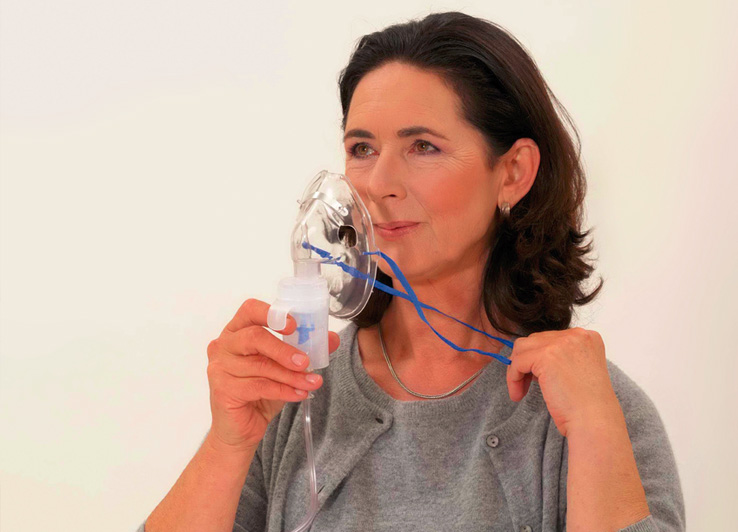
Inhalation – a therapeutic and prophylactic procedure, which consists in inhalation of air, naturally or artificially saturated with medicinal or other means. The actual factor in inhalations is most often aerosols of medicinal substances, that is, the smallest particles of solids or liquids. The main purpose of inhaled therapy is to achieve maximum local therapeutic effect in the respiratory tract with minor manifestations of systemic action.
The tasks of inhalation therapy are most often improved drainage function of the respiratory tract; sanation of the upper respiratory tract and bronchial tree; reduction of edema and stimulation of regeneration; decreased activity of the inflammatory process; reduction of bronchospasm; influence on local immune responses of the respiratory tract; Improvement of microcirculation of airway mucous membrane; protection of the mucous membrane from the action of production aerosols and pollutants. Advantages of inhalation: the time of absorption of drugs is significantly reduced; purposeful local influence of drugs on the respiratory system; higher efficiency of microdispersed aerosol forms, in which liquid drugs are converted into an inhaler; lesser risk of side effects compared with other methods of administration of antibacterial, expectorant, bronchodilator, anti-inflammatory drugs in the body – injections and tablet ingestion. Inhalation therapy can be used alone or in combination with other physiotherapy procedures. It is compatible in one day with electro and light therapy, ultrasound, water therapy.
Indications for the use of inhaled therapy:
- respiratory diseases (ARIs): runny nose, laryngitis, tracheitis, pharyngitis;
- complications after ARI: laryngotracheitis, rhinosinusitis;
- pulmonary cystic fibrosis syndrome
- fungal and bacterial airways disease
- bronchitis and pneumonia at the stage of resolution;
- In addition, inhalation is irreplaceable in removing bronchial asthma attacks.
Inhalations take 1-1.5 hours after eating. Inhalations should be performed for 3 minutes for adults, and for children – 1 minute, if necessary, up to 3-5 times a day.In inhalation therapy, as in every physiotherapy, there are certain contraindications, namely
- elevated temperature
- predisposition to nasal bleeding
- heart failure
- acute lung and heart disease
- angina (purulent inflammation)
Before performing any inhalation, make sure that you have no intolerance to the drugs that are included in the drug.
- elevated temperature